State of the Art Nanotechnological Equipment

Learn More

About Us

“Because a better understanding of materials at the nanoscale level can help industries develop better, more sophisticated products”

Materials Engineering Consultants was born in a collaborative initiative between academic and research institutions to serve primarily Industrial customers. We provide services, which includes strong characterization of novel materials, to determine product performance and development from a material science standpoint with the use of advanced nanotechnological equipment.

Our vision is committed to help local industries with material aspects and consulting services for their specific manufacturing products and processes, in order to develop better quality standards.

Our mission is focused on linking research fundamental aspects to industrial applications for product development and a continuous application of new state of art characterization techniques.

Our Services

Quantization of Contaminants

Mapping external contaminants on each sample using e-gun microscopy and other spectroscopic techniques, to determine type of contaminant (i.e. dust particles, debris, etc.) and determine quantities present on sample due to chemical composition/contaminant ratio.

Chemical Analysis

Chemical composition using crystallographic x-ray diffraction and energy disperse emissions. To identify chemical composition and percentages of chemical components present on sample.

Mechanical Testing and Materials Failure at Nanoscale

Tensile/stress measurements to determine Young's bulk and Elastic modulus for bulk materials systems. In-situ nanoscale indentation, to determine both Young's and Elastic modulus as determine by atom-by-atom deformation with a 2nm of resolution.

Surface Area Measurements

Rapid single point measurements of pore size (resolution 2nm) and surface area to determine both catalytic activity and reactivity; primarily on porous catalytic materials using Brunauer-Emmett-Teller (BET) technique with a combination of type I and type II Isotherms.

Thermodynamical Measurements

Thermogravimetric analysis (TGA) to determine second-order phase transitions, including vaporization, sublimation, absorption, and desorption of unknown substances and composite solids with a temperature range 0°C to 3000°C with an instrument resolution of +/-0.02°C.

Materials Processing

Laboratory scale experimentation for prototype production and testing, including electrical conduction, magnetic coercivity, thermal processing, and catalytic testing to pre-determine materials behavior at large scale production.

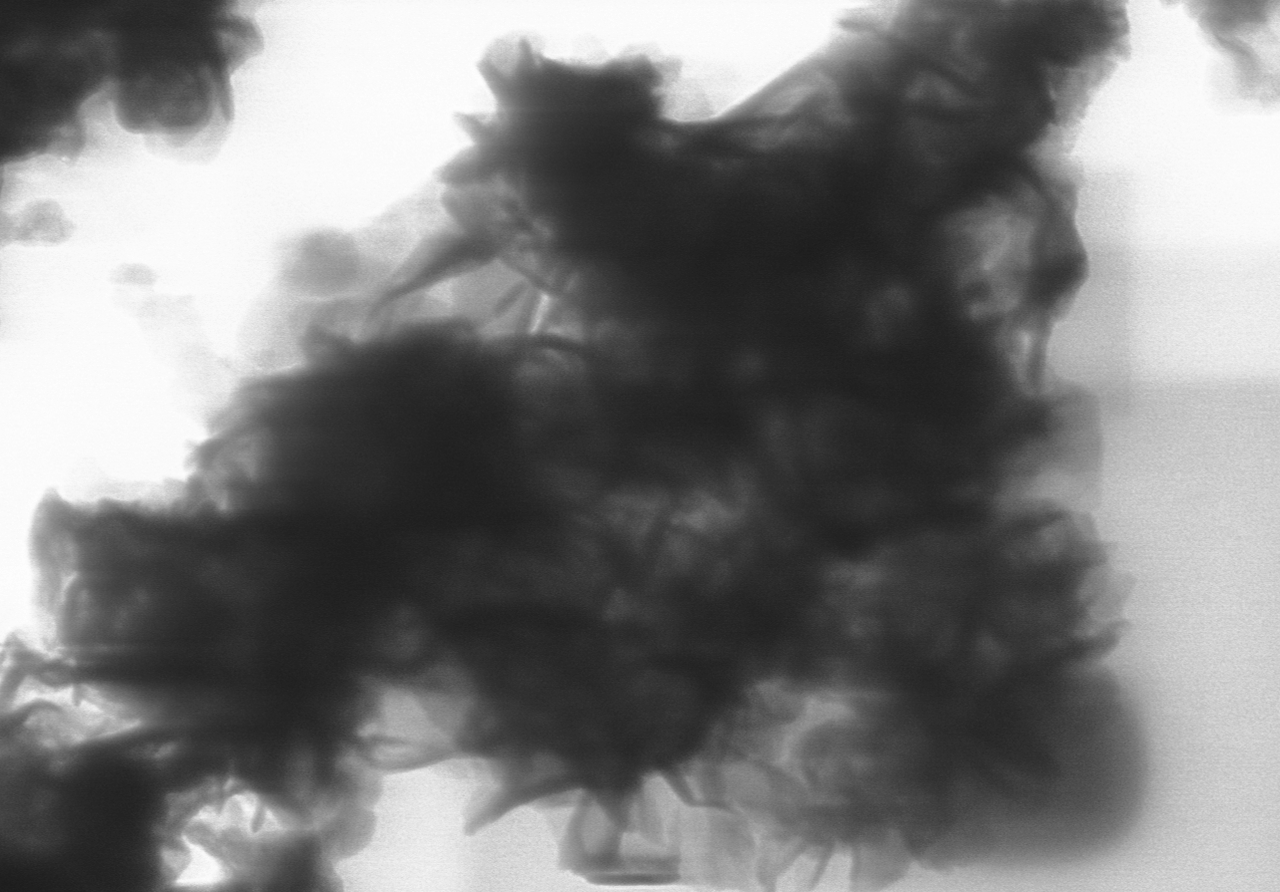
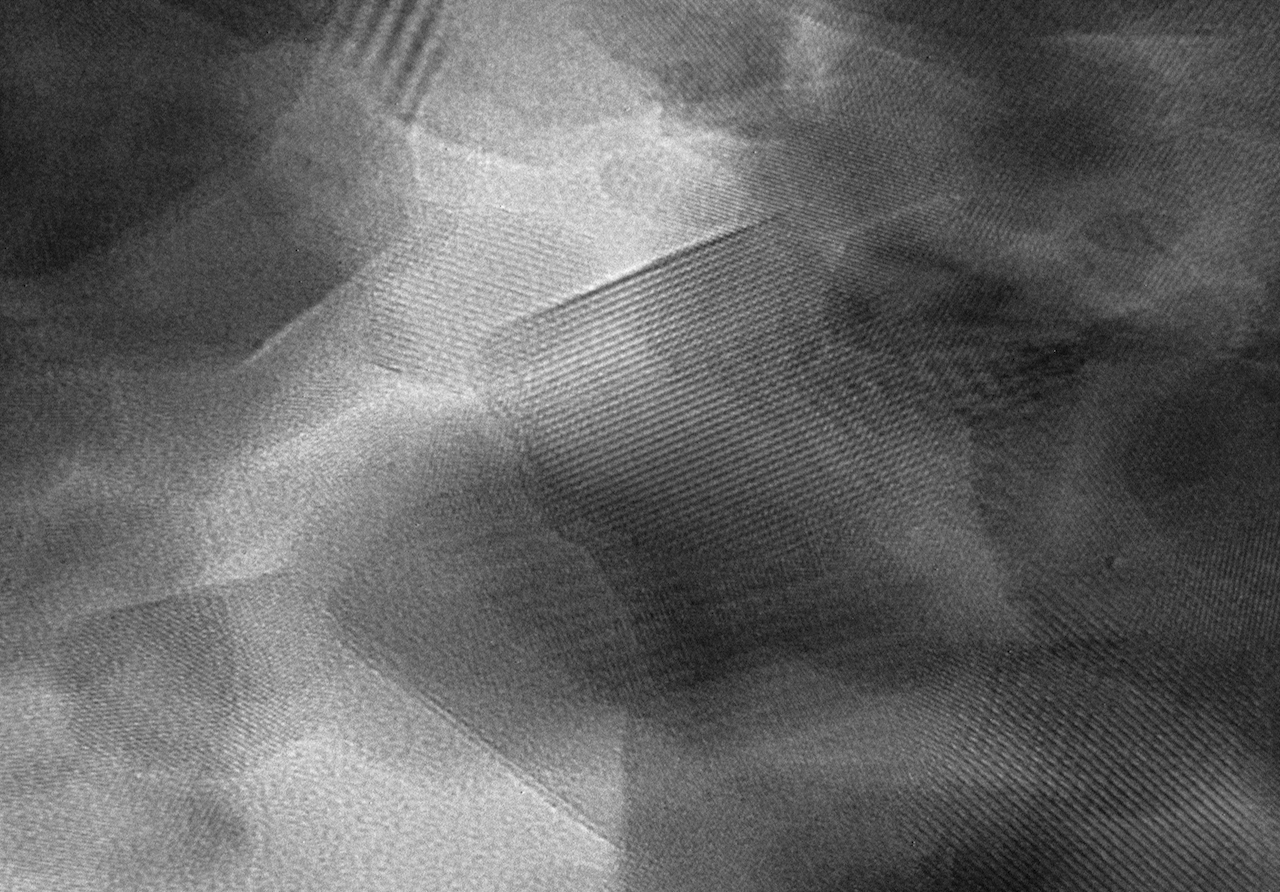
Microscopy: High Resolution TEM, SEM, and AFM

Extensive microscopy characterization using field emission gun in transmission (point probe resolution ~0.8nm), scanning (res~1nm) and contact mode, to determine structural aspects consisting of morphology and size, determination of chemical composition using spectroscopic EDS and EELS techniques.

Computation Modeling: First Principles

Molecular and crystallographic modeling to determine electronic structure (Band Structure, Density of States and HRTEM simulations) in clusters, crystals and interfaces. Determination of catalytic, semiconducting and metallic character for advanced nano-clusters.

Consulting

Engineering Aspects of Materials

Product testing at specific conditions to emulate real world applications including, electrical testing, mechanical stress/strain, and heat/cold in wet environment conditions.

Lean Manufacturing

Consulting services on product development and manufacturing, including customer advising on product process to reduce waste and to optimize manufacturing lines of production.

Computational Statistics

Consulting services using computational modeling for collection, organization, analysis and interpretation of data to determine percentage of error, market trend and interval of estimation.

Equipment

We utilize cutting edge nanotechnological equipment to conduct our research.

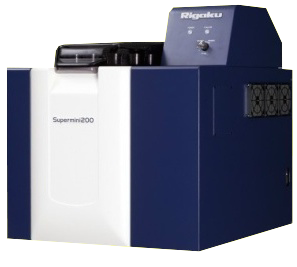
Rigaku Benchtop X-ray

Diffraction instrument equipped with a 6-position auto sampler, graphite monochromator, high-speed silicon strip detector and air sensitive sample holder. Able to phase identification, phase quantification, percent (%) crystallinity, crystallite size and strain, lattice parameter refinement, Rietveld refinement to determine best any molecular structure.

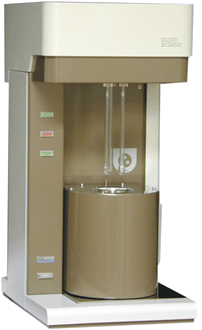
BELSORP-miniII

Volumetric adsorption measurements to determine surface area and pore distribution. It´s able to do adsorptive measurements of N2, Ar, CO2, H2 and other non-corrosive gases, pore size distribution in the range of 0.35 – 200 nm for pore diameter, specific surface area of 0.01m2/g and above (N2/77K, depending on sample density.

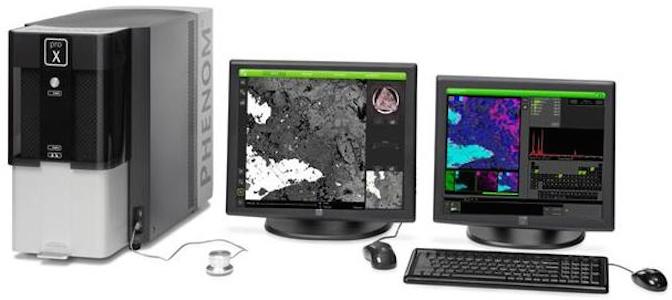
Phenom ProX

Scanning electron microscope, equipped EDS for elemental analysis, with operational voltage of 5-15kV and magnification range 20 - 100,000x.

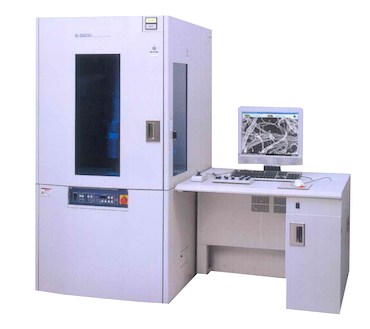
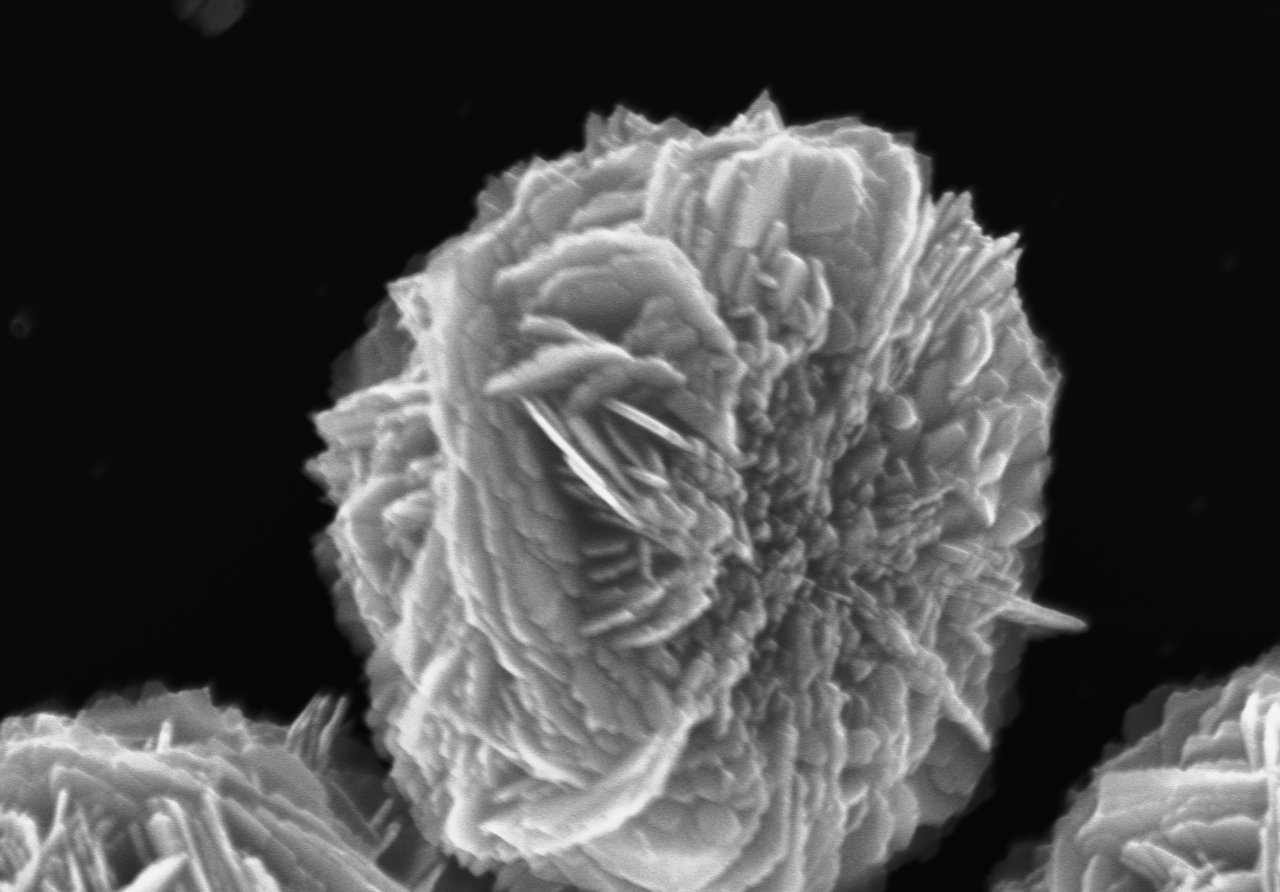
Hitachi S5500

Scanning electron/scanning transmission microscope, equipped with EDS with operational voltage of 0.5-30kV, magnification of 60~ 10,000X in low mag. and 800~2,000,000X in high mag. mode.

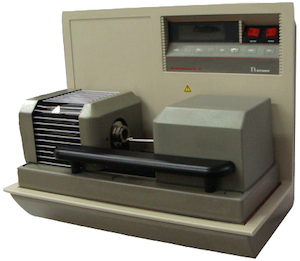
TA-Instruments SDT 2960

Simultaneous DSC-TGA thermo gravimetric analysis.

Contact
Work with us

We'll be happy to hear from you soon!

Let's get started